Well read, badly spelled
Fifteen years at double speed
Fifteen years ago, on the flight back from China, I read The Dyslexic Advantage. It gave me the idea of listening to audiobooks at double speed. It sounds so ridiculous that I would never have tried it without the book.
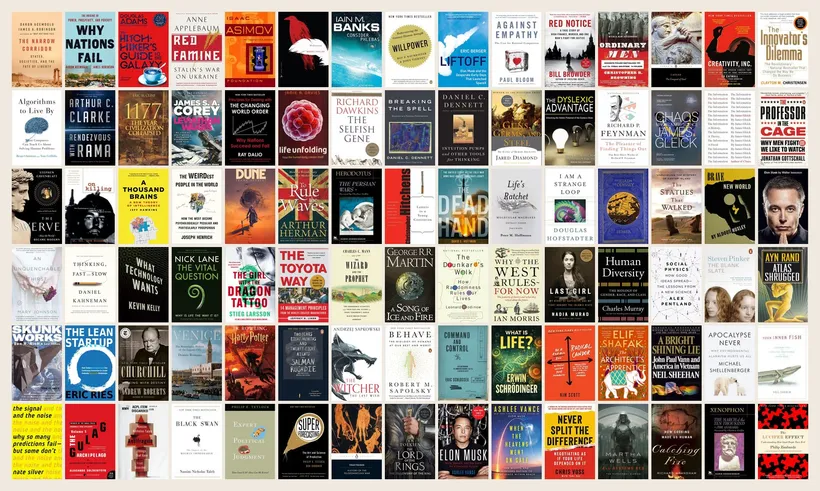
Fifteen years later there are over 1,250 books in my Audible library, and I have listened to at least two thirds of them from start to finish. That is over 13,000 hours of audio, or about an hour a day at double speed since then. For me as a dyslexic, this was huge. I don’t read fast, and reading meant sitting in a chair. Listening works while driving, running or doing household chores. It gave me a new possibility, and it opened up whole worlds. The books that shaped my thinking the most are in my library.
Every Mozart needs a piano
This is the positive side of technology that Kevin Kelly describes in What Technology Wants. The moral core of technology, he argues, is that it creates new possibilities. Every technology gives someone the chance to unfold their talent and do something new. What would Mozart have been without the piano, Van Gogh without oil paints, or Hitchcock without film?
Hold F9 and talk
My switch to Omarchy also solved a problem I have as a dyslexic: writing. This summer I spent a whole day looking for a decent way to dictate on Windows. None of the solutions was good enough. They were not integrated into the system, and then there were language packs and all the other problems. In Omarchy it works from the start, and it is free. You simply tell your AI agent that you want speech recognition, and it suggests which models suit your system. Install it, and from then on you hold down F9 and talk to your computer.
As soon as the AI comes in, it adds another layer of error correction. It works out from the context what I mean and fixes what the transcription got wrong, just as a person in a conversation understands me even when I stumble over a word.
This lets me write much faster. The mistakes my dyslexia produces are corrected straight away, and what comes out are texts that read well. It also feels more like a conversation, and the ideas flow more freely. It’s not AI slop as long as the ideas beneath it are your own.
Still my own ideas
AI doesn’t turn me into a writer, just as a piano doesn’t turn everyone into a Mozart. What it does give me is the possibility to get my own ideas onto the page.